Side by side
| Explanimation | Technical animation | |
|---|---|---|
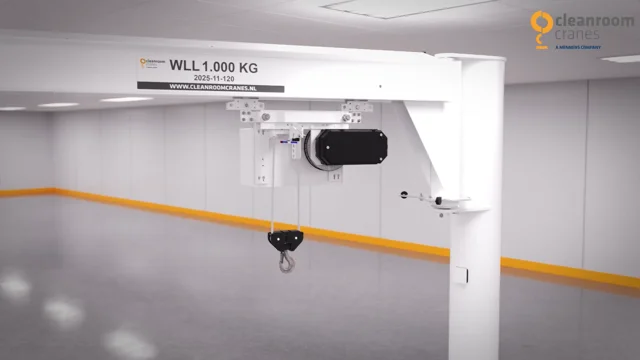
| Starting point | A concept, service or story | A CAD drawing or engineering model |
| Goal | Explaining what something does or how it works, for a broad audience | Showing how a technical product works internally or is assembled |
| Style | 2D or 3D, often looser and more accessible | Usually 3D, based on the actual product geometry |
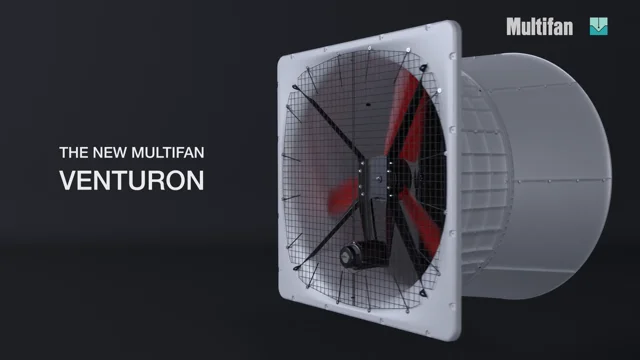
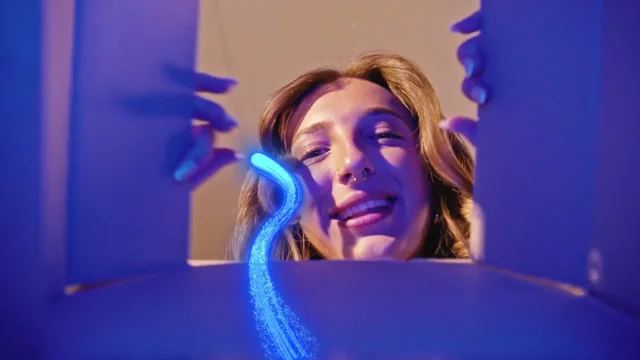
| Typical example | Explanimation Appmetmij.nl: explaining how to sign up and chat in an app | Venturon for Vostermans: how a technical installation works |
| Suitable for | Software, services, new concepts, internal communication | Machine building, installations, assembly instructions, technical sales |
Which one suits your situation
Choose an explanimation if you want to explain a service, app, concept or way of working that isn’t necessarily based on a technical drawing. Choose a technical animation if you start from an existing CAD file or engineering model and want to show how a physical product works or is assembled. How we prepare such a file is described in technical animation from a CAD file.
In practice they sometimes overlap: an assembly instruction is technical in nature but structured like an explainer, such as the PU assembly instructions we made for Proox or the installation of a multi water tap for Franke.
Questions that help you choose
- Do you have a CAD drawing, 3D model or technical documentation? Then a technical animation is usually the logical choice, because we can work from your own file instead of rebuilding something.
- Is it mainly about a story, concept or user experience? Then an explanimation fits better, even if no technical drawing is available.
- Does the animation need to show an action step by step, such as assembling or installing? Both forms can do that, depending on whether a technical drawing is behind it.
- Is the audience technically minded or not? For a broad, non-technical audience, the looser form of an explanimation is often more accessible.
Other forms of animation
Neither quite fits? If you want to show a product from every angle, a 360 product animation is an option. If your audience needs to really experience an environment or process, virtual reality offers more than a flat animation. Still unsure? Describe your situation through a quote request and we’ll think along about the best approach.